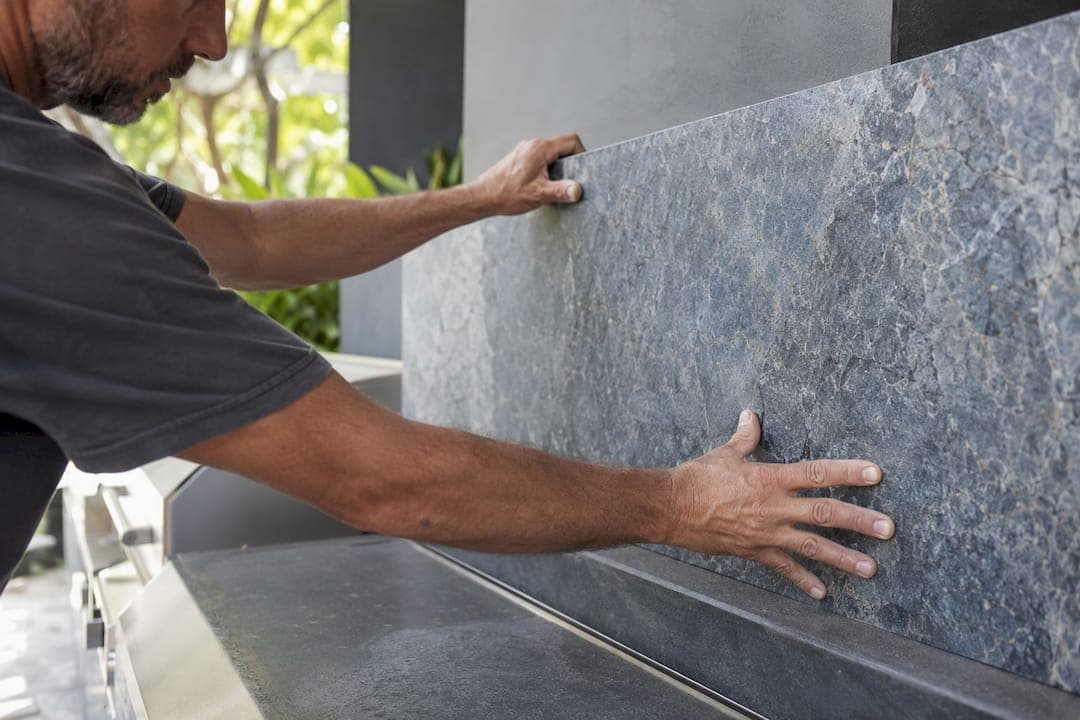
Slab, or "countersplash," is the backsplash choice defining 2026 kitchens, now used in roughly 28% of renovated kitchens. Classic subway tile and handmade zellige-look tile remain the two most dependable alternatives. Slab wins on seamless looks but costs more and takes longer, subway wins on price and repair ease, zellige wins on character but demands a skilled installer.
TL;DR:
- Slab backsplashes, while seamless and highly popular, tend to cost more and require longer fabrication times than tile alternatives.
- Porcelain slabs offer a low-maintenance, affordable alternative to natural stone, but they are heavy and need experienced installers.
- Handmade or zellige tiles add warmth and character but involve significant waste and sorting, needing skilled installation to manage irregularities.
- The most durable and low-maintenance options include porcelain, ceramic, and glass tiles, which require minimal sealing and cleaning.
- Warm, earthy neutrals and textured tiles are trending for 2026 kitchens, pairing well with both slab and tile options for a current yet timeless look.
Table of Contents
- Kitchen Backsplash Ideas by Style and Use Case
- Comparing Backsplash Materials by Cost and Durability
- The Slab Backsplash Trend, Explained
- How to Choose the Right Backsplash for Your Kitchen
- Installation Timelines and What a Backsplash Really Costs
- Cleaning and Maintenance by Material
- Lighting, Height, and Layout That Make a Backsplash Work
- Real Kitchens, Real Trade-Offs
- Color and Style Trends Shaping 2026 Kitchens
- How to Measure for an Accurate Backsplash Estimate
- Budgeting Smart Without Losing the Look You Want
- Coordinating Your Backsplash With Cabinets and Appliances
- Sustainability Considerations for Backsplash Materials
- What Builders See Most Often
- HN Construction & Remodeling: Backsplash-Forward Kitchen Remodels
- Sources
Kitchen Backsplash Ideas by Style and Use Case
Picking a direction gets easier once you sort backsplash ideas into categories instead of scrolling an endless photo feed. Below are the ten looks driving 2026 kitchens, organized by material and mood, plus the layout patterns that change how any of them read on the wall.
Slab-inspired categories:
- Slab / countersplash. A single continuous piece of stone or engineered material runs from countertop to upper cabinets with no seams or grout lines. Best for cooks who hate scrubbing grout and want a countertop-to-wall visual flow. Fabrication and vein-matching add cost and lead time.
- Large-format porcelain slabs. Porcelain panels mimic marble or concrete at a lower price and with far less maintenance than natural stone. Best for households wanting the slab look without a sealing routine. Panels are heavy and need experienced installers to avoid cracking during transport.
Tile-forward categories:
- Subway & classic patterns. Rectangular tile in a running-bond layout remains the easiest style to resell a house around. Best for budget-conscious remodels or resale-focused updates. Individual tiles are simple and cheap to replace if one cracks.
- Handmade / zellige-look tile. Irregular, glossy, hand-glazed tiles bring warmth and light-catching texture that mass-produced tile can't replicate. Best for kitchens craving personality over uniformity. Expect a 10 to 15% waste allowance since installers sort tiles by tone and cut around uneven edges.
- Encaustic / patterned tile. Bold geometric or floral motifs anchor a kitchen visually, often behind a range as a focal point rather than wall-to-wall. Best for one accent wall, not the whole kitchen. Patterned grout lines show dirt fast if left unsealed.
- Mosaic & glass tile. Small-format glass tiles reflect light and add shimmer, especially under cabinet lighting. Best for smaller kitchens needing brightness. Grout lines multiply, so cleaning takes more time than large-format options.
Stone, metal, and specialty categories:
- Marble & natural stone slabs. Real stone delivers veining no manufactured product fully replicates. Best for buyers prioritizing authenticity over convenience. Requires periodic sealing and is prone to etching from acidic spills.
- Metal & industrial. Stainless steel or hammered copper panels suit modern or restaurant-style kitchens. Best for heavy home cooks who want a wipeable, heat-resistant surface behind the range. Shows fingerprints and water spots more than matte finishes.
- Wood-look & shiplap. Porcelain or laminate planks that mimic wood grain add warmth without moisture risk. Best for farmhouse or transitional kitchens away from direct splash zones. Keep real wood-look materials clear of the sink and range.
- Peel-and-stick / renter-friendly. Adhesive-backed tile or vinyl panels install in an afternoon with no demolition. Best for renters or short-term budgets testing a look before committing. Durability and heat resistance vary widely by brand, and most aren't rated for direct range exposure.
Layout patterns worth trying regardless of material:
- Herringbone: adds movement to plain subway or marble tile without changing the material cost.
- Stacked (grid) layout: the cleanest, most modern take on rectangular tile.
- Vertical stacking: makes a short backsplash feel taller, useful in galley kitchens.
- Checkerboard: works well with two-tone tile for a graphic, retro feel.
- Fish-scale or hex: softens a kitchen with straight cabinet lines and hard countertop edges.
Three-dimensional textured tiles look dramatic under lighting but collect grease near direct cooking zones, so save heavy texture for areas away from the range.
Comparing Backsplash Materials by Cost and Durability
Material choice drives most of what you'll spend and how much upkeep you'll sign up for. Here's how the main options stack up.
- Ceramic tile: Installed cost typically runs low to mid-range. Durable for everyday use, chip-resistant if properly fired, and easy to clean with basic dish soap and water.
- Porcelain tile: Slightly pricier than ceramic but denser and more stain-resistant. Handles heat near the range better than most tile options.
- Glass tile: Mid-range cost, excellent for reflecting light, but scratches more visibly than porcelain and can show water spots.
- Metal (stainless, copper): Mid to high cost depending on finish. Extremely durable and heat-tolerant but shows fingerprints and requires regular wiping.
- Natural stone (marble, granite, travertine): Higher cost, especially for slab applications, and it needs periodic sealing to resist stains and etching.
- Engineered slabs (quartz, large-format porcelain): Higher upfront cost but low maintenance since they're nonporous and rarely need sealing.
- Peel-and-stick: The cheapest option by far, but quality varies enormously by brand and most aren't built for heavy heat exposure.
Porcelain, ceramic, and glass tend to require the least ongoing care, while natural stone is the one material category that demands a maintenance routine to stay looking good. One callout worth remembering: thermoplastic peel-and-stick tile is a poor fit directly behind a gas range, where sustained heat can warp or discolor lower-grade adhesive tiles.
The Slab Backsplash Trend, Explained
A slab or countersplash backsplash uses one continuous panel of stone, quartz, or porcelain running from the counter to the upper cabinets, with no grout lines breaking up the surface. It's the look driving 28% of renovated kitchens this year, and the appeal is straightforward: a countertop and backsplash that read as one uninterrupted plane make a kitchen feel bigger and calmer.
Designers are fairly consistent on how to choose the slab itself:
- Match the backsplash slab to the countertop material and veining whenever the budget allows, and lean toward a complementary neutral slab when an exact match isn't possible.
- Choose lighter, creamier tones over heavily veined dark slabs if you want the kitchen to feel current a decade from now rather than dated in five years.
- Consider porcelain slabs or engineered quartz instead of natural marble if you want the visual without a sealing schedule.
The trade-off is real. Natural stone slabs often require extra material purchased upfront for vein matching, plus skilled templating, and that fabrication overhead shows up directly in the fabrication fee. Lead times run longer than tile, and a poor template measurement means an expensive redo. Homeowners who don't want grout lines to clean also tend to prefer slabs and large-format porcelain, since minimal grout means minimal scrubbing.
How to Choose the Right Backsplash for Your Kitchen
Run through this checklist before you fall in love with a photo:
- How often do you actually cook? Heavy daily cooking favors nonporous, wipeable materials like porcelain or glass over porous natural stone.
- What's your real budget band? Decide low, mid, or high before you shop tile showrooms, not after.
- Do you want a short strip or full coverage? Height changes both cost and visual impact.
- How much maintenance will you actually do? Be honest. Sealing stone twice a year sounds fine until year three.
- Are you optimizing for resale or for how you'll live in the space for the next decade?
When interviewing a contractor, ask these questions directly: What's the lead time for my chosen material? What waste allowance are you budgeting for pattern-matched or handmade tile? What edge treatment will finish exposed corners? What grout color do you recommend, and why? Does this material need sealing, and on what schedule?
Pro Tip: Avoid a heavily contrasting grout color if you're chasing a timeless look. Dark grout on white subway tile photographs beautifully today but reads distinctly "of this era" faster than a tone-on-tone grout choice.
The two most common mistakes: underestimating labor complexity for patterned or handmade tile, and picking a bold grout contrast without considering how quickly trends shift.
Installation Timelines and What a Backsplash Really Costs
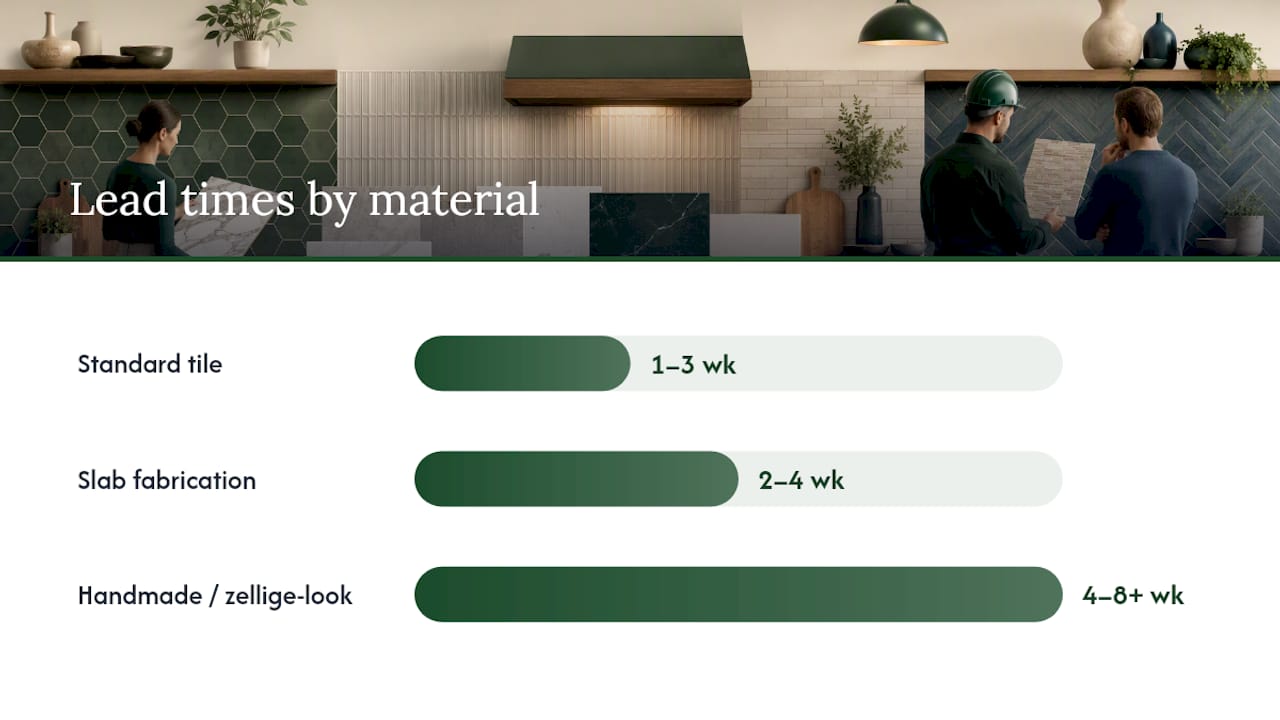
Lead times vary sharply by material. Standard tile typically ships and installs within one to three weeks. Slab fabrication runs two to four weeks once templating is done. Handmade or zellige-look tile can take four to eight weeks or longer, since production is slower and batches need sorting by tone before they ever reach your kitchen.
On-site work itself is usually the smaller half of the timeline. A straightforward 30-square-foot tile job might take a crew two to three days including wall prep and outlet extensions. Slab installation, by contrast, often takes longer per square foot because of precise cuts around outlets and cabinets.
Cost depends heavily on material grade, wall prep needs, and design complexity, and rough budget bands for a typical 30-square-foot backsplash look something like this:
- Low tier (standard ceramic or subway tile): budget-friendly, fastest turnaround.
- Mid tier (porcelain, glass mosaic, or large-format porcelain slab): moderate cost, moderate lead time.
- High tier (natural stone slab, handmade zellige-look tile): highest cost, longest lead time, most labor-intensive installation.
Electrical work for outlets or under-cabinet lighting adds both time and cost, so factor that into your schedule early rather than as a change order mid-project.
Cleaning and Maintenance by Material
Nonporous tiles, glass, metal, and slab surfaces need little more than daily wipe-downs with mild soap and water. Natural stone is the exception: expect to reseal roughly once or twice a year, and treat any water that stops beading on the surface as your signal it's time to reseal.
- Nonporous materials (porcelain, glass, engineered quartz): wipe daily, no sealing required.
- Natural stone: reseal on a regular schedule and watch for water absorption as a warning sign.
- Metal: wipe with a soft cloth to avoid scratching the finish; avoid abrasive cleaners.
- Grout: matching grout to tile hides everyday grime better than a stark contrast, and sealing grout lines annually prevents staining around the range.
Lighting, Height, and Layout That Make a Backsplash Work
Plan your lighting before tile goes in, not after. Running wiring and positioning under-cabinet fixtures ahead of installation matters most for textured tile and slab, since raking light across veining or texture is what makes either one look intentional instead of flat.
- Under-cabinet strip lighting works well for a short backsplash; full-height slab benefits more from ambient or pendant light that washes the whole surface.
- Decide between a short strip, coverage to the bottom of the upper cabinets, full-height to the cabinets, or all the way to the ceiling. Each option changes both material quantity and visual weight.
- Keep grout tone-matched for a calm look, or use one deliberate accent band (a contrasting tile row) instead of mixing three materials at once.
Pro Tip: If you're set on a textured or 3D tile, place the accent band or full texture away from the range and sink, where grease and water splash are heaviest, and let a flatter, easy-wipe material handle the high-splash zones.
Real Kitchens, Real Trade-Offs
Every backsplash decision looks different once it's on an actual wall instead of a mood board. A few patterns show up again and again in completed projects, and they're worth knowing before you commit:
- Homeowners choosing a natural stone slab to match an existing quartz countertop often accept a longer lead time in exchange for the seamless look, once they understand the templating and fabrication process upfront.
- Kitchens that swap standard subway tile for a herringbone layout in the same material gain visual interest without increasing material cost, just labor time.
- Zellige-style tile projects nearly always benefit from a pre-installation tone sort, since batches vary and installers need to blend shades intentionally rather than laying tiles in the order they arrive.
Hnconstructiontx builds every kitchen remodel around owner-led oversight and 3D renderings completed before any demolition starts, so homeowners see the backsplash, cabinetry, and lighting plan together rather than guessing how choices will look side by side. That kind of upfront planning is where cost surprises usually get caught, not fixed after the fact. Recent kitchen projects are documented in the remodel gallery, showing how material and layout decisions played out in finished spaces.
Color and Style Trends Shaping 2026 Kitchens
The clearest shift this year is away from cool, stark white-and-gray kitchens toward warmer, deeper neutrals, think taupe, greige with brown undertones, deep green, and warm charcoal. These tones read as more livable and less clinical than the cool grays that dominated the past decade.
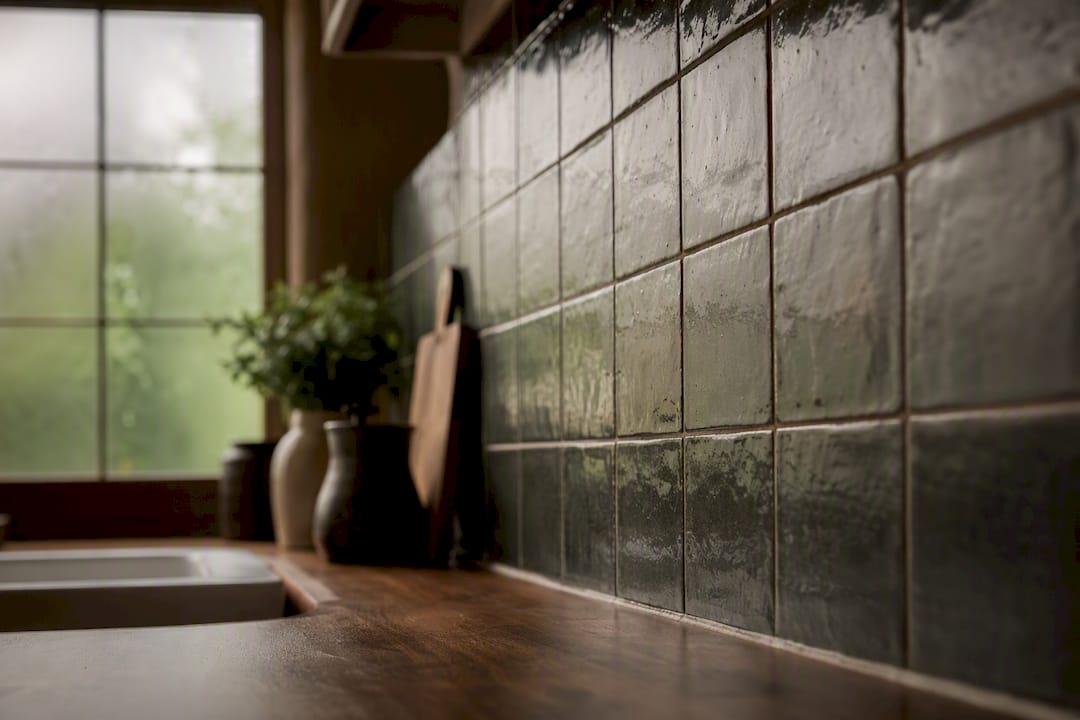
That warmth pairs naturally with the handmade-tile movement. Zellige and other textured tiles carry more visual weight in a warm palette than they do against stark white, since the irregular glaze catches warmer light instead of looking cold and flat.
If you're choosing a slab, the same warm-neutral logic applies: a creamy, warm-toned stone or engineered slab tends to feel more current and lasts longer stylistically than a stark white or cool gray option. For accent moments, a single row of a deeper tone, whether that's a green tile band or a warm brass metal strip, gives a kitchen personality without committing the whole wall to a bold choice. Refinishing specialists tracking 2026 kitchen color trends note the same pull toward warmer, richer palettes across cabinetry finishes, which is worth keeping in mind if you're planning to update cabinets and backsplash together.
How to Measure for an Accurate Backsplash Estimate
Getting your own measurements close before a contractor visits helps you sanity-check quotes and spot errors early. Measure the total wall length behind your counters, then the height from countertop to the underside of your upper cabinets, and multiply the two for square footage.
Add any areas that extend beyond standard countertop coverage: full-height sections behind a range hood, a window surround, or a return wall by an open doorway. Subtract large obstructions like a window opening, but don't subtract small items like outlets. They still need tile cut around them.
Once you have raw square footage, add a waste allowance. Standard subway or ceramic tile needs roughly 10% extra for cuts and breakage. Handmade or zellige-look tile needs closer to 10 to 15% because of tone-sorting and irregular edges. Slab jobs work differently. A fabricator templates the exact wall dimensions on-site, usually after cabinets are installed, and orders slab material to that precise template rather than a rough estimate.
Bring these numbers to your contractor conversation rather than relying on their walk-through measurement alone. Two independent measurements catch mistakes before they become expensive change orders mid-project.
Budgeting Smart Without Losing the Look You Want
The fastest way to protect your style vision on a tighter budget is to spend selectively, not evenly. Put your material budget toward the wall behind the range, the part everyone sees first, and use a simpler, cheaper tile on side walls or less visible sections.
A running-bond subway tile in a slightly upgraded finish, like a soft handmade glaze, often costs less than a full slab while still delivering texture and warmth. Save the slab splurge for a smaller focal area, such as a range-hood surround, if a full wall isn't in the budget.
Grout color changes are essentially free and can shift the entire feel of an inexpensive tile. A warm, tone-matched grout on basic ceramic tile looks far more intentional than the same tile with stark white grout.
Finally, ask your contractor about material overages from past jobs. Reputable crews sometimes have leftover natural stone or porcelain slab remnants from larger projects that work perfectly for a kitchen-sized backsplash at a fraction of full-slab pricing.
Coordinating Your Backsplash With Cabinets and Appliances
Backsplash, cabinetry, and appliances need to be chosen as a set, not in sequence. A common misstep is picking backsplash tile first, then discovering it clashes with cabinet stain or appliance finish once everything's installed.
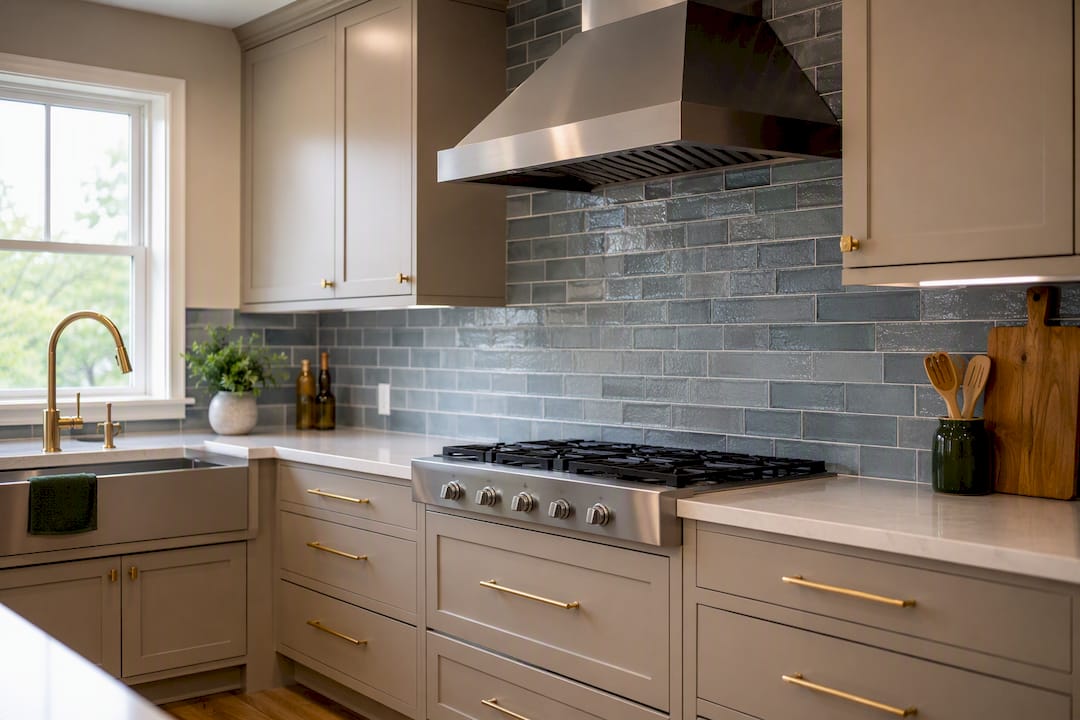
If you have stainless steel appliances, a warm-toned backsplash (cream, taupe, soft green) softens the cool metallic look rather than competing with it. Matte black or brass fixtures pair well with handmade tile, since both finishes read as intentional rather than mass-produced.
For cabinetry, contrast works better than exact matching in most cases. A pure white subway tile against pure white cabinets tends to look flat and shadowless, while a slight tonal shift, warm white tile against cool white cabinets, for instance, adds depth without looking mismatched. If your cabinets already have strong grain or color, let the backsplash play a supporting role with a simpler pattern rather than fighting for attention.
Sustainability Considerations for Backsplash Materials
Material choice has an environmental footprint that's worth factoring into the decision, not just the visual one. Ceramic and porcelain tile generally have a lower manufacturing footprint than quarried natural stone, since stone extraction and long-distance shipping from quarries add meaningfully to the embodied energy of a slab.
Recycled glass tile is one of the more genuinely sustainable options on the market, made from post-consumer glass and requiring less raw material extraction than stone or metal. Reclaimed or salvaged tile, where available, cuts new material demand entirely, though supply is inconsistent and rarely matches a specific project's needs perfectly.
Durability itself is a sustainability factor. A backsplash that lasts twenty years without replacement, like properly sealed natural stone or dense porcelain, has a smaller lifetime footprint than a cheaper material replaced every five years. Peel-and-stick options are the least durable choice long-term, and while they use fewer raw materials upfront, frequent replacement can offset that advantage over a decade of ownership.
What Builders See Most Often
Homeowners chase photos before they settle on a budget, and that order causes most of the regret we see after the fact. The fix isn't picking a cheaper material. It's seeing your kitchen in 3D before a single tile ships, so the backsplash, cabinets, and lighting get decided together instead of layered on top of each other one decision at a time.
— Atlas
HN Construction & Remodeling: Backsplash-Forward Kitchen Remodels
If you've settled on a direction, slab, zellige, or classic subway, the next question is who templates it, orders it, and installs it without three separate crews pointing fingers at each other. Hnconstructiontx runs kitchen remodels with a single owner overseeing the project from 3D rendering through final install, using licensed and insured in-house crews rather than a rotating cast of subcontractors.
That structure matters most on backsplash decisions specifically, since slab templating, tile sourcing, and electrical work for under-cabinet lighting all need to happen in the right sequence, not as afterthoughts. Every project starts with a 3D rendering so you see the backsplash next to your actual cabinets and countertop before committing to material.
Browse finished kitchens in the remodel gallery, review the full scope of kitchen and bathroom remodeling services, or request a consultation to get a line-item estimate for your backsplash and kitchen project in the Austin or Dallas area.
Sources
Claims about slab adoption rates, color trends, and material trade-offs in this article draw from current design research, including Better Homes & Gardens' 2026 backsplash trend report, The Spruce's coverage of 2026 backsplash trends, Real Simple's analysis of the slab backsplash trend, and designer-sourced trend predictions. Material-specific maintenance guidance references The Spruce's overview of backsplash materials.
- This Is the No. 1 Kitchen Backsplash Choice of 2026
- The backsplash trend taking over kitchens in 2026
- 5 Kitchen Backsplash Trends Designers Expect in 2026